Dandelion Jelly with Citrus Zest
Highlighted under: Global Gourmet Recipes
I discovered dandelion jelly while searching for unique ways to utilize foraged ingredients. The vibrant yellow hue and delightful citrus notes make this jelly a standout condiment that brightens any dish. I was thrilled to combine the slightly earthy flavor of dandelions with the tangy zest of citrus, creating a jelly that is both refreshing and versatile. Whether paired with cheese or spread on toast, this recipe is sure to impress anyone who tries it.
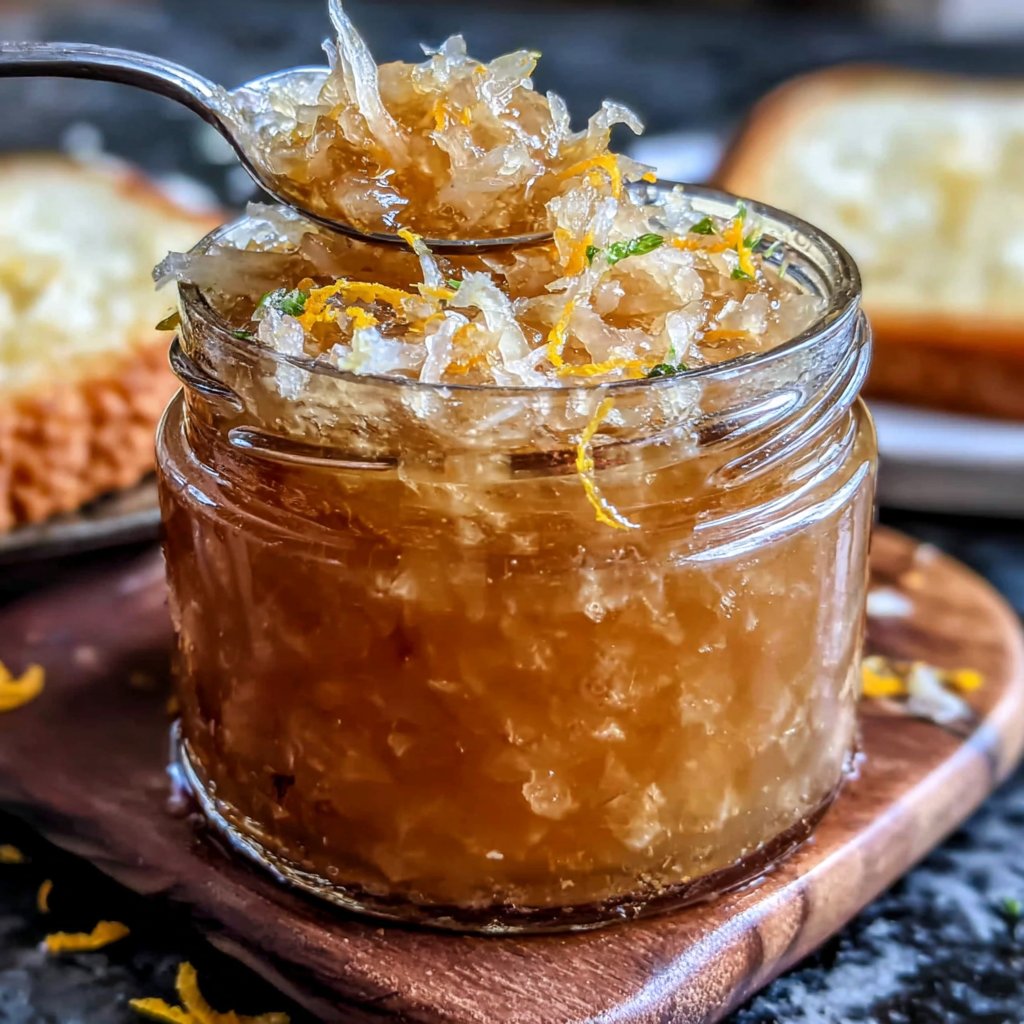
Making dandelion jelly was an adventure in itself! I gathered fresh dandelions from a pesticide-free area, ensuring they were clean and free of chemicals. After steeping them to extract that beautiful golden hue, I added citrus zest, which elevated the flavor and fragrance immensely. It amazed me how such a simple ingredient could transform into a gourmet treat.
While preparing the jelly, I learned that cooking it to the right temperature is essential for achieving the proper gel consistency. Use a candy thermometer if you have one, as this will help ensure that your jelly sets perfectly. The reward is a uniquely delicious jelly that captures the essence of springtime!
Why You'll Love This Recipe
- The unique floral flavor of dandelions with a citrus twist
- A delightful alternative to traditional fruit jellies
- Perfect for pairing with cheese or as a spread
- A creative way to utilize foraged ingredients
Mastering Dandelion Jelly Techniques
Creating dandelion jelly involves a careful balance of flavor and texture, beginning with the dandelion infusion. Make sure to use only the yellow petals of the dandelion flowers and avoid any green parts, as they can impart a bitter taste. When simmering, the flowers will start to release their vibrant color and fragrance; allow the infusion to cool slightly before straining to capture all the essential aromatic compounds.
The process of dissolving sugar in the dandelion infusion is crucial for achieving a smooth jelly. Stirring continuously over medium heat until the sugar is completely dissolved helps prevent any graininess in the final product. If you encounter any crystals that don’t dissolve, simply increase the heat slightly, but be cautious not to bring the mixture to a boil until all sugar is integrated.
Optimizing Flavor with Citrus
The addition of lemon juice and zest is not just for acidity; it enhances the floral notes of the dandelions and balances the sweetness of the jelly. Using fresh lemons will yield a more vibrant flavor than bottled alternatives. Grating the zest carefully with a microplane directly into the pot allows the essential oils to infuse immediately, ensuring this zesty note permeates the jelly, creating layers of flavor.
To tailor your jelly to your taste, consider experimenting with citrus. Adding a tablespoon of orange or grapefruit zest can introduce a different aromatic profile. Just be mindful that adjust the sugar level may be necessary depending on the tartness of the citrus used, ensuring a harmonious balance.
Ingredients
Ingredients
For the Dandelion Jelly
- 2 cups dandelion flowers, washed and stemmed
- 2 cups water
- 1 cup sugar
- 1/4 cup lemon juice
- 1 tablespoon lemon zest
- 1 packet pectin
Instructions
Instructions
Prepare the Dandelion Infusion
In a saucepan, bring the dandelion flowers and water to a boil. Reduce heat and let it simmer for 15 minutes. Remove from heat and strain the liquid to remove the flowers.
Combine Ingredients
In a clean pot, combine the dandelion infusion, sugar, lemon juice, and lemon zest. Stir on medium heat until the sugar dissolves.
Add Pectin and Boil
Once the sugar is dissolved, add the pectin according to the package instructions. Bring the mixture to a rolling boil for 1 minute while stirring constantly.
Jar the Jelly
Pour the hot jelly into sterilized jars, leaving some space at the top. Seal them with lids and process in a boiling water bath for 5 minutes.
Cool and Store
Allow the jars to cool completely at room temperature. Store in a cool, dark place for up to a year.
Pro Tips
- Make sure to use dandelions that have not been treated with chemicals. For an extra flavor boost, feel free to mix in some orange zest along with the lemon zest.
Storage and Shelf Life
Proper storage is key to preserving the quality of your dandelion jelly. Once cool, make sure to check that the lids have sealed properly by pressing the center of each lid; it should not pop back. If any jars haven't sealed, refrigerate them immediately and consume within a few weeks. The jelly can be stored in a cool, dark place away from direct sunlight for up to a year if sealed correctly.
If you want to enjoy your dandelion jelly beyond the growing season, consider freezing it. While jelly typically maintains quality in the pantry, freezing can extend its shelf life even further. To freeze, use freezer-safe jars or airtight containers, leaving adequate headspace for expansion. Thaw in the refrigerator when ready to use, and stir before serving to restore its texture.
Serving Suggestions
Dandelion jelly offers a unique twist that pairs beautifully with various dishes. Try it as a glaze over grilled meats or drizzled on a cheese platter with brie or goat cheese. The contrast of flavors will both surprise and delight your guests; I often serve it with crackers for a refreshing appetizer.
For breakfast or brunch, spread this jelly over warm toast or fluffy pancakes—it's a delightful departure from standard fruit jams. You might even consider adding a spoonful to salad dressings or yogurt for an unexpected citrusy depth. The uses are nearly endless, and its colorful appearance makes it a lovely addition to any table.
Questions About Recipes
→ Can I use other flowers for this jelly?
Yes, you can substitute dandelions with other edible flowers like clover or violets.
→ How long can I store dandelion jelly?
Properly sealed jars can be stored for up to a year in a cool, dark place.
→ What can I use dandelion jelly with?
Dandelion jelly pairs wonderfully with cheese, as a glaze for meats, or simply spread on toast.
→ Is it safe to eat dandelions?
Yes, dandelions are edible and nutritious, but ensure they are sourced from chemical-free areas.
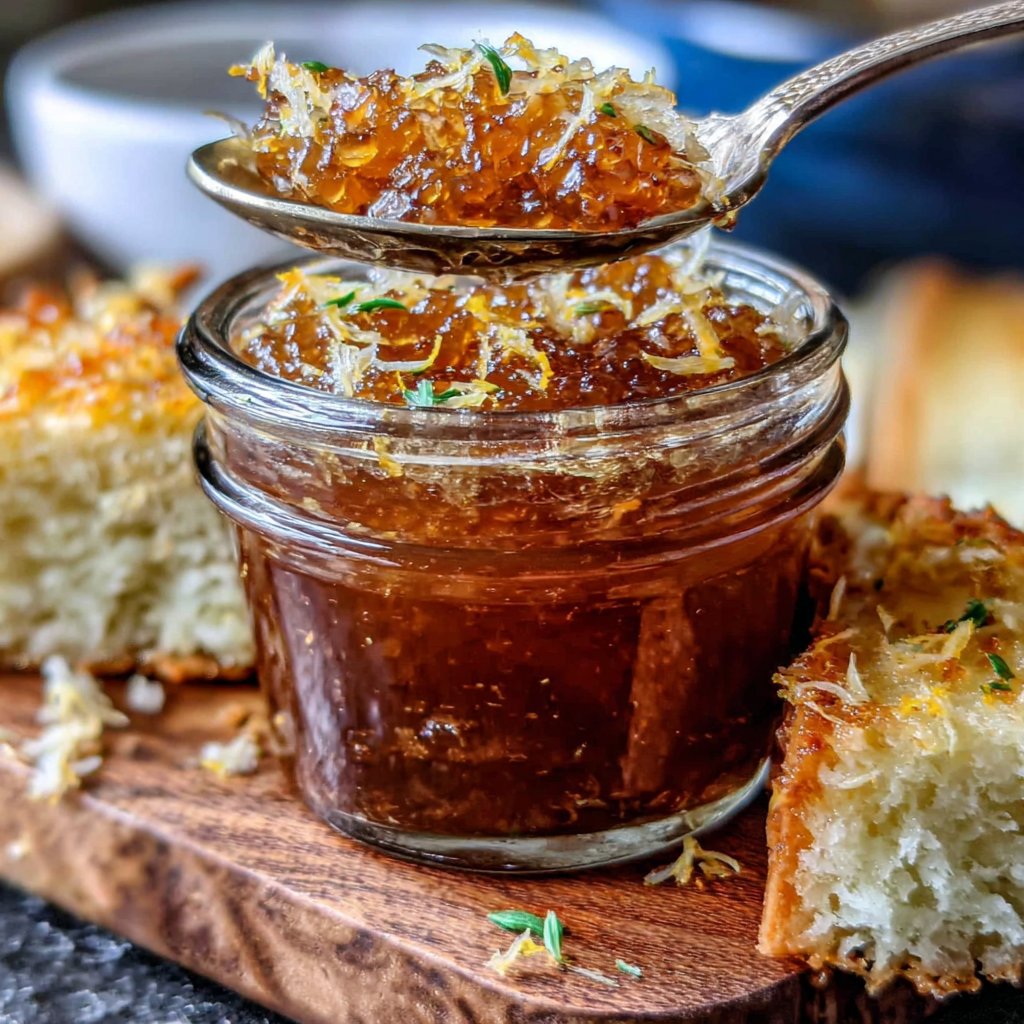
Dandelion Jelly with Citrus Zest
Created by: The Chefeliaskitchen Team
Recipe Type: Global Gourmet Recipes
Skill Level: Intermediate
Final Quantity: 4 jars
What You'll Need
For the Dandelion Jelly
- 2 cups dandelion flowers, washed and stemmed
- 2 cups water
- 1 cup sugar
- 1/4 cup lemon juice
- 1 tablespoon lemon zest
- 1 packet pectin
How-To Steps
In a saucepan, bring the dandelion flowers and water to a boil. Reduce heat and let it simmer for 15 minutes. Remove from heat and strain the liquid to remove the flowers.
In a clean pot, combine the dandelion infusion, sugar, lemon juice, and lemon zest. Stir on medium heat until the sugar dissolves.
Once the sugar is dissolved, add the pectin according to the package instructions. Bring the mixture to a rolling boil for 1 minute while stirring constantly.
Pour the hot jelly into sterilized jars, leaving some space at the top. Seal them with lids and process in a boiling water bath for 5 minutes.
Allow the jars to cool completely at room temperature. Store in a cool, dark place for up to a year.
Extra Tips
- Make sure to use dandelions that have not been treated with chemicals. For an extra flavor boost, feel free to mix in some orange zest along with the lemon zest.
Nutritional Breakdown (Per Serving)
- Calories: 60 kcal
- Total Fat: 0g
- Saturated Fat: 0g
- Cholesterol: 0mg
- Sodium: 1mg
- Total Carbohydrates: 16g
- Dietary Fiber: 0g
- Sugars: 15g
- Protein: 0g